

When environmental protection becomes environmental harm
Over the last century, many technologies and policies have been justified as ways to protect nature while simultaneously modernising society. But is this always true? Or do some ‘solutions’ often shift, disguise, or even amplify environmental harm rather than reduce it?
From packaging to energy, changes framed as cleaner, safer, or more efficient have repeatedly been driven by convenience, cost, and short-term profit rather than genuine ecological limits. This blog examines everyday examples such as milk bottles, shopping bags, plastic containers, and renewable energy farms to show how, in trying to protect the environment, changes can, and often do, do more harm than good.
From reusable glass bottles to disposable convenience
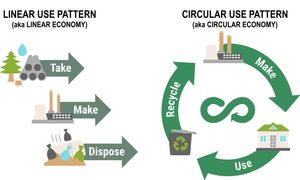
For much of the twentieth century, dairy products like milk, cream, juice, and yoghurt, not to mention all brands of sparkling cold drinks like Coca-Cola, Fanta, and Sprite, were commonly delivered or sold in sturdy glass bottles designed to be washed and refilled numerous times. This system reduced waste by relying on durable packaging, local distribution, and circular use patterns that favoured recycling over disposal by keeping packaging materials in circulation rather than sending them to landfills.
The shift to disposable single-use plastics and cartons was promoted as being more hygienic, convenient, and modern. What they overlooked is that product life-cycle assessments show a more complex picture. While single-use glass bottles have higher production and transport impacts due to energy-intensive manufacturing and heavier weight, single-use plastic bottles and cartons create a different, and sometimes more serious, set of environmental problems, including persistent plastic pollution, greater reliance on fossil fuels, and increased waste management pressures.
Past evidence shows that returnable, refillable and reusable glass bottle systems have a lower environmental impact per use when bottles are reused frequently and circulated locally compared to single-use packaging, whether glass or plastic, which has increased overall production and waste. This shift shows that replacing durable, refill-based systems with disposable options has intensified environmental harm.
Paper to plastic shopping bags: a narrow fix that widened the problem
The shift from paper to plastic shopping bags is often viewed as a rational response to concerns about deforestation and the resource-intensive nature of paper production. Life-cycle assessments indicate that paper bags typically require more water, energy, and chemicals to manufacture, and may generate greater air and water pollution during production than thin plastic bags.
However, plastic bags have introduced new, more severe, and long-lasting problems. Made from fossil fuels, a nonrenewable resource, plastic bags can persist for hundreds of years, fragment into microplastics, and are difficult and costly to recycle at scale. Because they are light and ubiquitous, they disperse easily, clogging waterways, entangling wildlife, and accumulating in marine environments, where they contribute to the growing mass of plastic pollution worldwide.
In other words, replacing paper bags with plastic did not address the underlying problems of excessive packaging and disposable consumption. Instead, it shifted environmental harms from deforestation and energy-intensive production to marine pollution, food-chain contamination, and the long-term persistence of plastic waste. A more fundamental alternative of reducing reliance on single-use bags and adopting durable, reusable bags made from renewable materials was, until recently, largely overlooked in favour of a simpler and cheaper material substitution.
From durable, reusable containers to cheap disposables
High-quality plastic containers such as the classic Tupperware and Bakelite storage containers were originally marketed as long-lasting household items, designed to store and transport food for years or even decades. Although they are made from petrochemicals, their durability and reusability significantly reduce the need for single-use packaging and the total volume of plastic produced per meal, stored or transported.
In recent decades, however, the market has been flooded with cheap, thin plastic containers and cups intended for short-term use such as picnics, leftovers, takeaway food, and office kitchens, where they are often discarded after a few uses. Studies describe how single‑use plastic items, including low-cost containers and cups, have become a major source of plastic pollution in landfills and natural environments, harming wildlife and substantially contributing to the more than 450 million metric tons of plastic produced annually.
This shift from durable, high-quality products to disposable, low-quality containers reflects a broader societal pattern. Rather than using materials more sparingly and extending product lifespans, societies have prioritised convenience and low upfront costs, thereby increasing the volume of plastic moving through the economy. Consequently, a material once valued for its durability and resource efficiency now underpins a throwaway culture that greatly extends environmental harm.
Renewable energy on farmland and natural habitats
The expansion of utility-scale solar and wind farms is central to global efforts to reduce greenhouse gas emissions and reliance on fossil fuels. However, these large-scale installations require substantial areas of land. Research indicates they are almost always developed on natural habitats such as shrublands, scrublands and deserts, or productive agricultural land, rather than on already degraded or urban sites.
Studies in regions like the Northern Territory and Queensland have documented how solar and wind development has led to habitat conversion, fragmentation, and changes in the conservation value of surrounding landscapes, including within or near protected areas. Building these installations in natural environments disrupts wildlife movement, increases the risk of invasive species, and reduces ecosystems’ capacity to adapt to climate change, even as the installations help decarbonise electricity.pmc.ncbi.nlm.
Similarly, converting productive farmland to energy infrastructure can reduce local food production, alter rural livelihoods, and intensify pressure to clear new agricultural land elsewhere. What appears as a climate solution at the project level can thus undermine food security and biodiversity at broader scales, revealing a tension between decarbonisation and land conservation when planning is not holistic.
These examples show that renewable energy, while essential, is not automatically benign because it has a ‘green’ label. Without careful siting, community participation, and prioritisation of disturbed or built environments, the pursuit of clean power can erode the very ecosystems societies claim to protect.
Moving beyond short-sighted material and technological shifts
Across the cases discussed above, humanity’s attempts to ‘green’ its systems have often revolved around replacing one material or technology with another, rather than questioning deeper patterns of consumption and land use. Glass gives way to plastic, paper to plastic, durable goods to disposables, fossil fuels to land-intensive renewables, all under the banner of progress or protection.
Academic analyses of environmental paradoxes argue that these patterns stem from addressing symptoms in isolation by focusing on carbon emissions without land impacts, on deforestation without waste, or on sanitation without life-cycle analysis. A more genuinely protective approach would emphasise durability, reuse, reduced demand, and careful spatial planning that avoids sacrificing farmland and natural habitats for quick technical fixes.
In conclusion, efforts to protect the environment have all too often focused on maintaining existing patterns of consumption under a greener image, rather than transforming the economic and cultural systems that drive environmental harm. Recognising this pattern is a first step towards designing policies and everyday practices that genuinely reduce overall ecological pressure, rather than merely displacing it across places, over time, or into different forms.